Where to stay in Porto: boutique hotels by trade-off
Skip the corporate chains. Finding the right boutique stay in Porto requires balancing palacete heritage, steep hills, and strict preservation rules.
Folio earns a commission if you book through these links, at no extra cost to you. Learn more
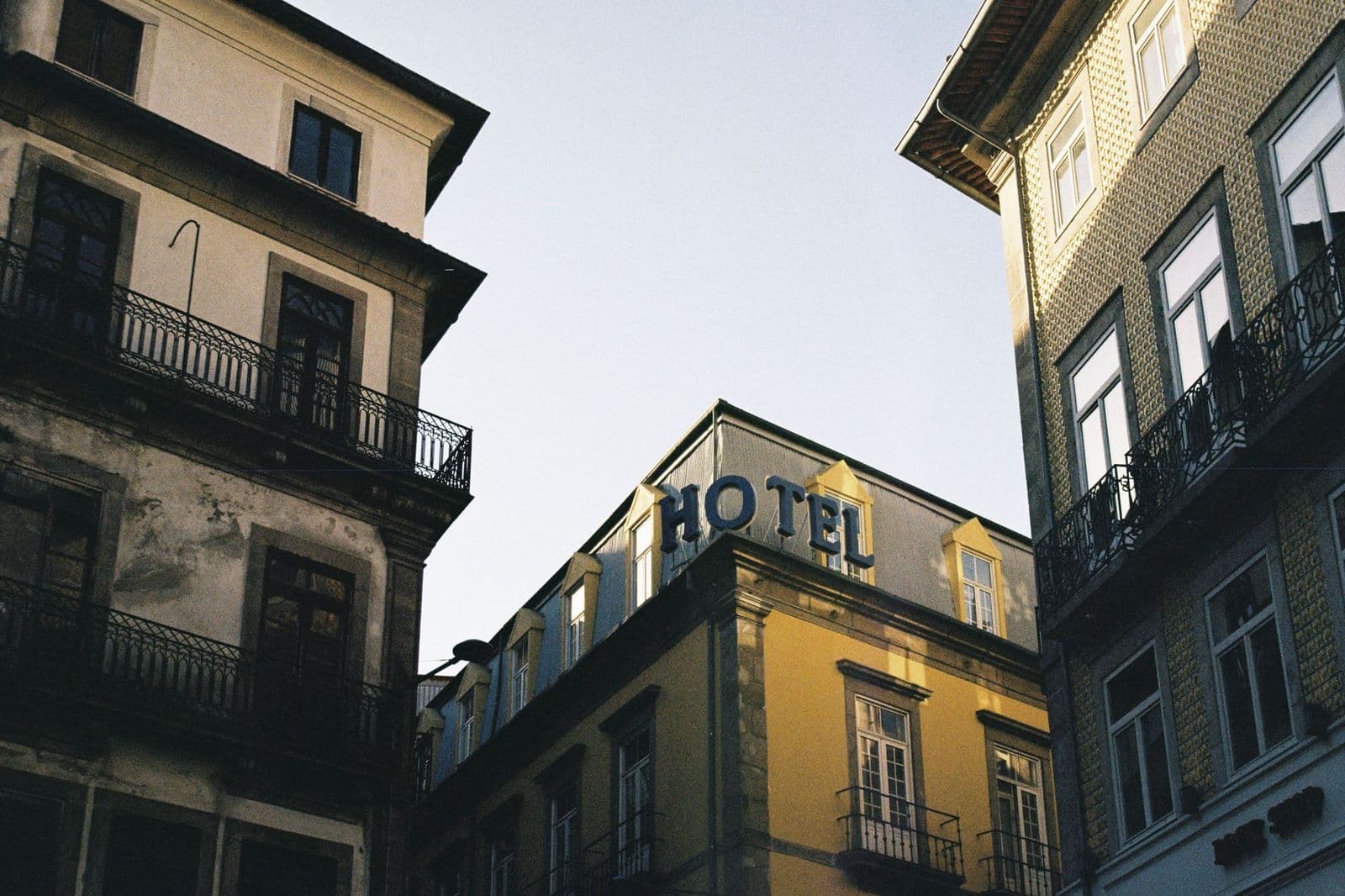 Charming hotel facade in Porto, Portugal, showcasing classic city architecture.
When searching for hidden gems hotels porto, the most effective strategy is to skip the corporate riverfront chains entirely and book a restored 19th-century palacete. You trade standard hotel amenities for severe architectural character, strict house rules, and direct neighbourhood immersion.
Charming hotel facade in Porto, Portugal, showcasing classic city architecture. — Yuri Félix — PexelsAlgorithms consistently misrepresent geography when categorising boutique accommodation. Platform searches frequently surface corporate transit lodging as local finds. The Star inn Porto advertises direct booking rooms with two single beds and one bathroom, yet this property sits 100 metres from Humberto Delgado Airport—placing it in Lisbon rather than northern Portugal. True local discoveries require geographic strictness to ensure your base actually sits within the destination.
Travel costs run lower here than in the capital, meaning visitors can secure central positioning without exhausting their budgets. The destination—historically known as Oporto—is generally considered a safe city for international travellers. When you select a base inside the central grid, the majority of lesser-known neighbourhood spots remain fully accessible on foot. A property that forces you onto a commuter train or drops you in a commercial office park fails the basic test of a where to stay in Porto city retreat.
Restored 19th-century palacetes enforce strict preservation rules over standard convenience
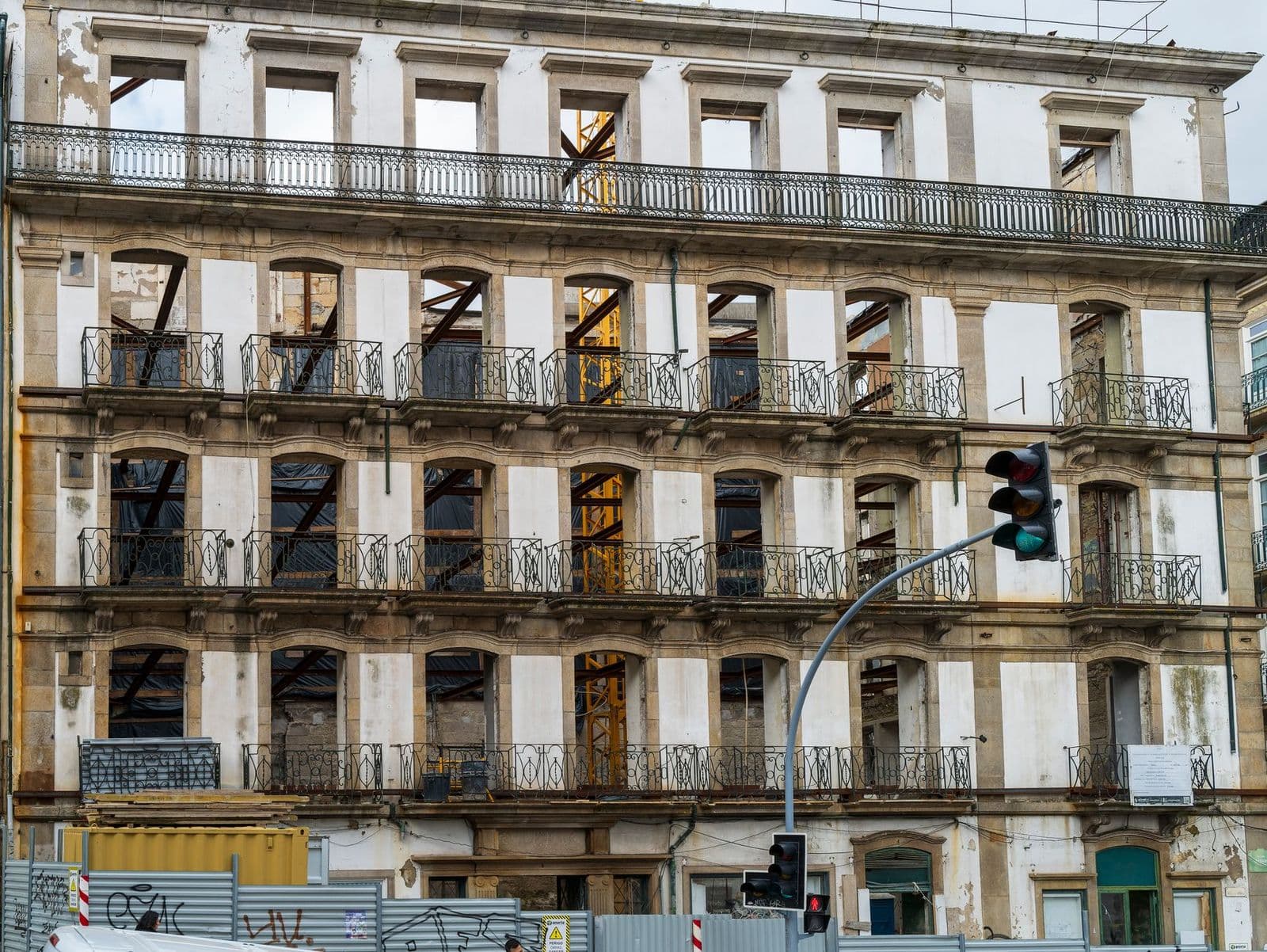 Renovation project of a historic facade in Porto, Portugal showcasing adaptive reuse and heritage preservation. — Bob Jenkin — Pexels
Independent hospitality in northern Portugal anchors itself to historic residential architecture. This structural lineage traces back to buildings like Palacete Severo, constructed in 1904 by architect Ricardo Severo. Modern restorations adapt these spaces for hospitality. The 1861 Torel Palace Porto reopened in 2020 with 24 rooms, dedicating its operations to Portuguese gastronomy and an outdoor plunge pool.
Scale determines the operational style. Properties with single-digit room counts function more like private residences than commercial hotels. Casa das Laranjas is a 19th-century townhouse restored in 2014 offering just four guest rooms. Na Travessa Suítes operates eight double rooms 200 metres from São Bento station.
Moving into these micro-scale environments means accepting rigid house rules designed to protect century-old materials. Palacete Museu - Espaço Palmeiras operates five spacious suites with personalised decor, including a duplex suite featuring a distinct living room and bedroom layout. Management restricts access strictly to adults. Guests cannot wear stiletto shoes anywhere inside the building to preserve the original flooring. You trade the leniency of a modern concrete tower for absolute silence and architectural integrity.
Artisan conversions trade front-desk staffing for preserved tilework and botanical menus
Independent conversions in Porto frequently trade conventional reception desks and standard corridor layouts for original building fabric and regional craft. Porto Tile House sits at Rua de Miragaia nº 11 in Miragaia, housed entirely within an old restored building. The site functions almost as a residential museum: its walls feature interior and exterior tile panels alongside a dedicated tile display dating from 1850–1860, produced by a regional ceramic factory central to Porto's manufacturing past. Choosing an address like this means accepting residential stairs and absent concierges in exchange for living beside protected nineteenth-century ceramic work.
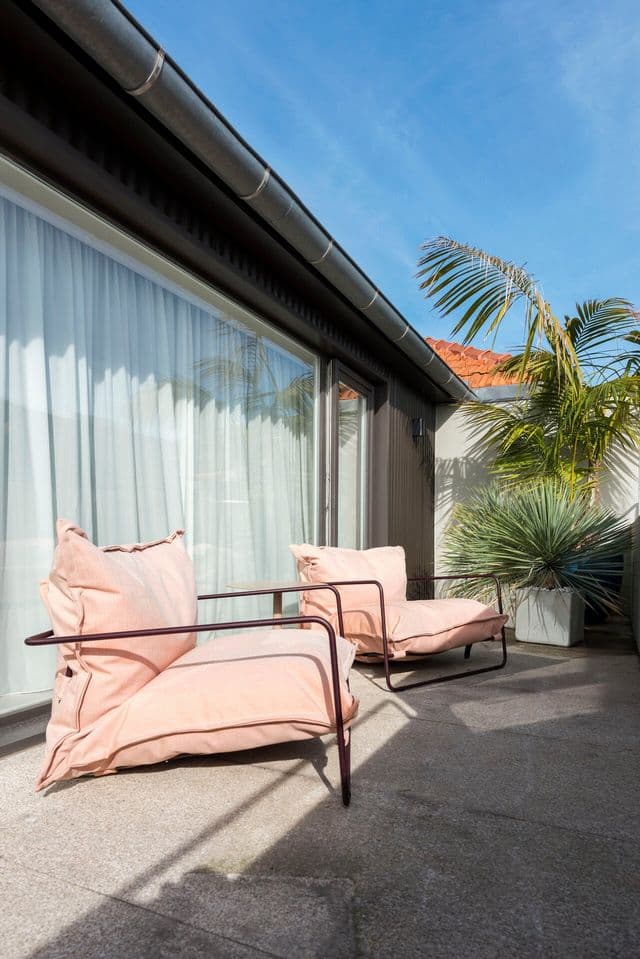
Other small conversions focus on distinct lifestyle requirements rather than antique building materials. At Rua do Almada 613, Jardins do Porto replaces mainstream hotel kitchens with an entirely plant-based culinary programme. Its on-site restaurant serves a Chef's signature vegan menu, removing the friction of finding strict dining options across the central district. Upstairs, selecting the Deluxe Loft Room secures a private balcony looking out over the city rooftops. You surrender the extensive communal amenities of a full-scale resort, but you gain direct private outdoor space above the street grid.
When historic restoration and niche dining are unnecessary, basic neighbourhood townhouses strip accommodation down to straightforward utilities. Its guest rooms supply air conditioning and a hairdryer, covering basic functional needs for travellers whose daily schedule centres on walking the city rather than lingering in communal lounges. This distinction matters across Porto: paying for handcrafted tile restoration or specialist menus makes sense only if you plan to spend daylight hours inside your room. For visitors who merely require climate control and a reliable bed, simple functional bedrooms provide the cleaner operational trade-off.
Self-contained apartments offer spatial flexibility while mid-scale hotels guarantee staffing
Visitors face a hard split between independent apartment access and staffed hotel reception desks. Almada 234 operates 13 exclusive apartments distributed across five floors. Accommodation options range from compact T0 mezzanine studios up to spacious T1 and T2 apartments with duplex possibilities. Studio 52 sleeps four guests with one bathroom, while Studio 53 accommodates three. These setups grant total autonomy but lack round-the-clock concierges.
Oporto Maison Entreparedes, one of six listed properties under its brand, applies a similar residential model. Standard check-in runs from 15:30, check-out concludes by 11:00, and management schedules cleaning every other day. Airport transfers are available for an additional fee.
Traditional operations remove this logistical friction entirely. Hotel Vice Rei provides 55 rooms at Rua Júlio Dinis 779. Individual guest rooms list a minibar, a safe, and a hairdryer. You gain dependable daily service but sacrifice the distinct spatial character found in the historic apartment conversions.
Riverfront panoramas carry steep topographical penalties and high foot traffic
The Douro riverfront dictates a direct physical trade-off between visual drama and walking fatigue. Properties positioned along the water face steep vertical inclines that make the journey to the upper downtown transit hubs physically strenuous. Pestana Vintage Porto occupies a direct riverfront position overlooking a public square.
Across the water in Vila Nova de Gaia, The Yeatman covers 2.8 hectares across ten terraced stories. Since opening in 2010, its 82 rooms sit built directly into the hillside overlooking the Douro River. Torel Avantgarde operates as a design boutique hotel offering similar panoramic views over the water. These bases sit near the Dom Luís I Bridge, an 1886 iron double-deck crossing designed by a student of Gustave Eiffel.
Inland operations sidestep the hills by investing in cultural programming. Hotel M.Ou.Co features an on-site music performance venue and a rooftop pool. Casa da Companhia anchors itself to the flat historic grid, operating within an 18th-century building on Rua das Flores built around an interior courtyard.
Independent satisfaction data favours low-key hideaways over institutional grand dames
Guest tracking data highlights the difference between institutional luxury and highly attentive boutique service. The historic flagships lean on their architectural prominence and heavy staffing. Infante Sagres opened in 1951 as the city's first five-star hotel and underwent a major renovation in 2024. It holds an average guest rating of 4.7 out of 5 across 1,120 reviews. Maison Albar - Le Monumental Palace operates as a Belle Époque luxury property offering haute cuisine. These large formats process hundreds of daily covers, resulting in busy lobbies and constant public traffic.
Smaller contemporary operations log fractionally higher satisfaction metrics by eliminating the commercial crowds entirely. The Rebello maintains a 4.9 out of 5 average rating across 759 reviews. Wine & Books Porto Hotel also holds a 4.9 out of 5 based on 400 reviews. Small-scale operations dedicate their staff hours to a tight list of in-house guests rather than managing public restaurant turnover.
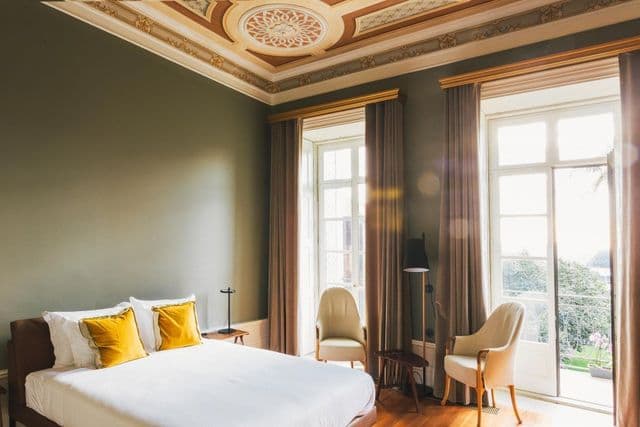
Menina Colina Guesthouse
Heritage preservation rules prevent the installation of an elevator in this restored property. Guests navigate stairs to reach one of 13 individually designed rooms. The on-site restaurant, Menina Cozinha, executes light, seasonal lunches with a Mediterranean influence, while breakfast operates from a café providing direct access to the garden.
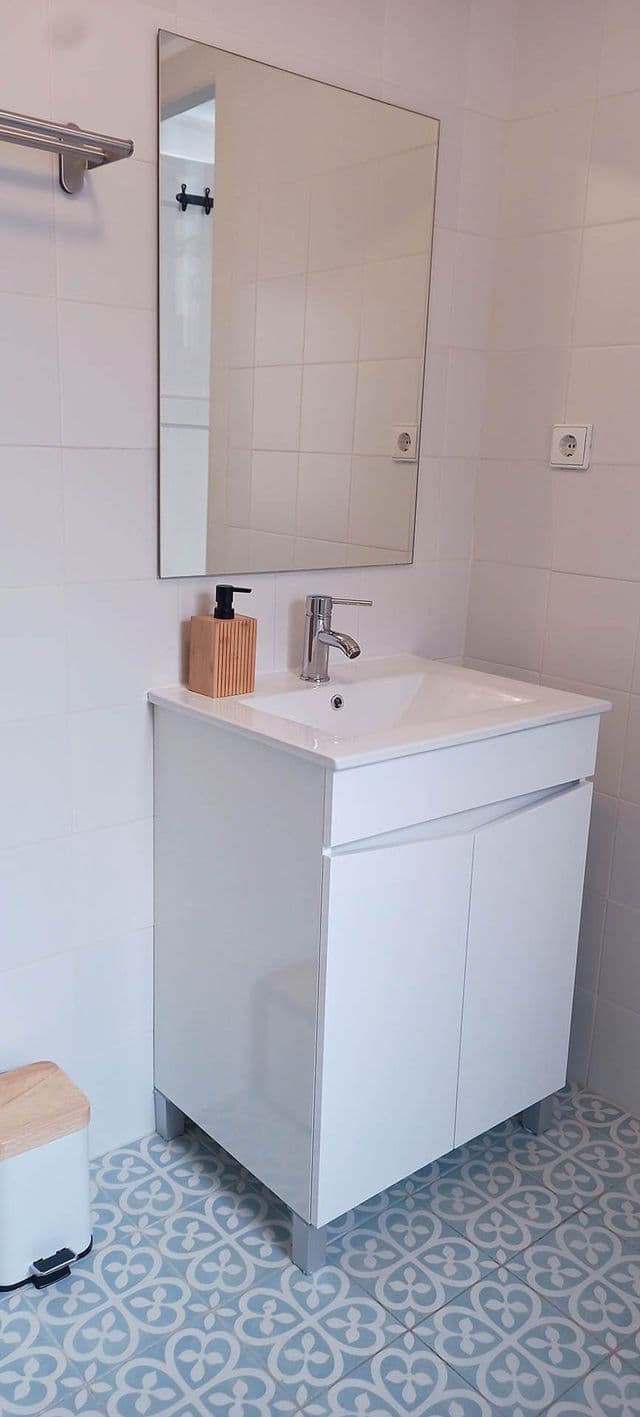
Porto Tile House
Operating out of a restored Miragaia building, this four-studio property functions as a living exhibit of regional ceramics. The walls feature a tile display dating from 1850 to 1860 alongside panels from an old regional factory. Each studio includes a kitchenette. Management provides no on-site parking and restricts bookings to guests over the age of 12.
Jardins do Porto
Set inside a restored 19th-century bourgeois house on Rua do Almada, this nine-room retreat focuses entirely on botanical hospitality. The draw is Jardineiro Kitchen, situated in a winter garden, which serves a dedicated vegan menu. Reserving the Deluxe Loft Room secures a fully mobile balcony looking out across the city rooftops.
Palacete Museu - Espaço Palmeiras
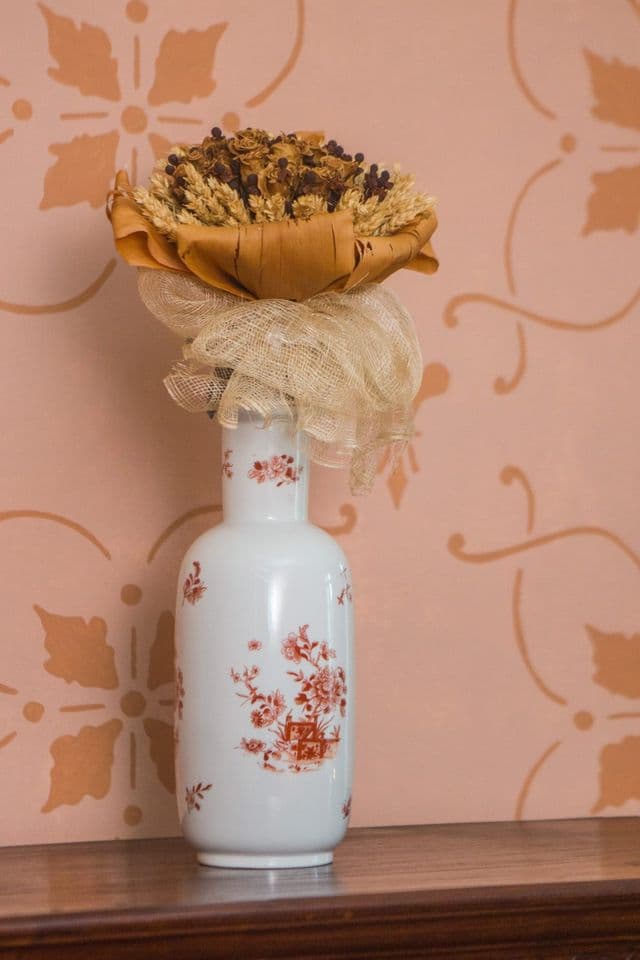
Strict preservation rules govern this five-suite palacete—management enforces a total ban on stiletto heels to protect the original restored floors. Operations are restricted entirely to adults, guaranteeing absolute quiet. The premier duplex suite spans two floors and features two separate balconies facing both the city and the sea.
Frequently asked questions
What defines a hidden gem hotel in Porto?
Hidden gem properties in northern Portugal are typically independent historic conversions or micro-scale boutiques holding under 65 rooms. They maintain distinct architectural identities, operating out of 19th-century townhouses or converted industrial sites within authentic local micro-neighbourhood settings rather than generic commercial zones.
Which historic neighbourhoods are best for avoiding heavy tourist crowds in Porto?
Residential and arts districts such as Cedofeita, Bonfim, and Miragaia provide quieter streetscapes away from the central commercial zones. These areas support independent studios and authentic local dining while remaining firmly within walking distance of the historic core.
What practical challenges exist when staying in Porto's boutique historic townhouses?
Preserving 18th- and 19th-century buildings means accepting structural limits. Many restorations lack standard passenger elevators and rely on narrow staircases. Furthermore, pedestrianised access routes and severe hills require visitors to haul luggage directly over steep cobblestones.