Guides / San Sebastián
Head-to-headSan Sebastián, Spain43.3183, -1.98123 Sept 2026

Monte Igeldo vs Amara: San Sebastián Base Comparison

Compare Monte Igeldo's clifftop seclusion and funicular access with Amara's flat walking routes, rail links, and parking in San Sebastián.

Folio earns a commission if you book through these links, at no extra cost to you. Learn more

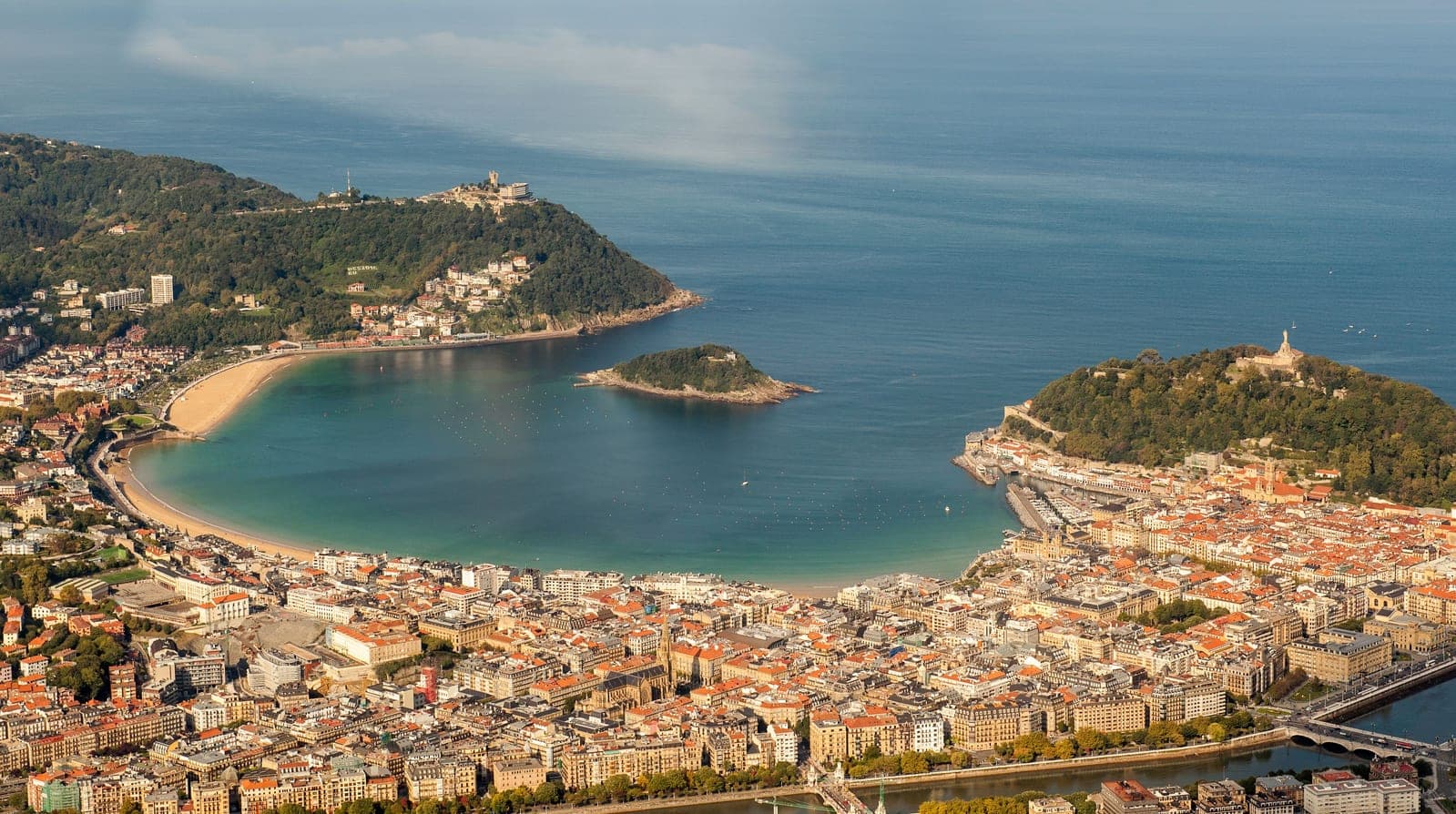
A stunning aerial view of La Concha Bay, San Sebastián, with lush hills and cityscape.A stunning aerial view of La Concha Bay, San Sebastián, with lush hills and cityscape.

Base Selection: Clifftop Panorama vs Urban Transit Hub

A stunning aerial view of La Concha Bay, San Sebastián, with lush hills and cityscape.A stunning aerial view of La Concha Bay, San Sebastián, with lush hills and cityscape. — luis Peralta — Pexels

Choosing where to sleep in San Sebastián comes down to a direct operational compromise between elevation and mobility. Monte Igueldo is 181 metres high and serves as the highest natural point in San Sebastián. That visual reward comes with geographical isolation. Lodging on the headland removes you entirely from the street-level pulse of the city, placing you in a quiet coastal environment where evening movement requires deliberate planning.

Amara serves as a convenient base for exploring the wider region thanks to its transport connections. It functions primarily as a residential and commercial transport gateway rather than a postcard beauty spot. Travellers basing themselves in Amara trade immediate waterfront outlooks for rapid transit connections and flat walking paths into central districts. As detailed in our comprehensive San Sebastián destination guide, staying inland positions you adjacent to arterial routes leading out of town while keeping the city core reachable on foot.

The spatial contrast dictates your daily routine. On Mount Igueldo, hotel accommodation is located 1.8 kilometres from the city centre. San Sebastián is a city designed to be travelled on foot, with short distances and extensive pedestrianised areas.

If your party includes travellers with reduced mobility or heavy luggage, the physical elevation of Monte Igeldo introduces practical hurdles. Amara removes those physical barriers through broad, level pavements and direct road links.

Monte Igeldo Transit Logistics: Historic Funicular and Hillside Access

The funicular railway remains the primary and most popular transport method to reach the top of Monte Igueldo. Inaugurated on 25 August 1912, it is the oldest funicular railway in the Basque Country, operating with its original wooden carriages over a century later. The ascent takes 3 minutes to reach the top, cutting directly up the hillside to deliver passengers to the headland.

Ascending the slope is straightforward, but specific ticketing rules demand attention if you intend to build an itinerary around the railway. Tickets for the downhill funicular trip are not sold at the destination. That ticketing structure means anyone walking or driving up without an advance round-trip ticket purchased at the bottom cannot buy a downhill fare at the top station, making spontaneous one-way descents impossible.

Travellers who do not take the funicular or cable car can also hike to the top of Monte Igueldo. Walking the steep hillside route multiple times a day demands genuine physical effort, especially with luggage. Staying on the ridge requires treating each descent into town as a planned outing rather than an errand you repeat between meals.

Relying on the 3-minute funicular for multiple daily trips into town quickly turns into a scheduling bottleneck. If you plan to return to your room several times a day between sightseeing excursions, the hillside location will cost you substantial transit time. Flat urban neighbourhoods eliminate this friction entirely, leaving Monte Igeldo best suited to travellers who commit to staying put once they return in the evening.

Getting Around San Sebastián: City Footpaths, Urban Dbus, and Taxi Logistics

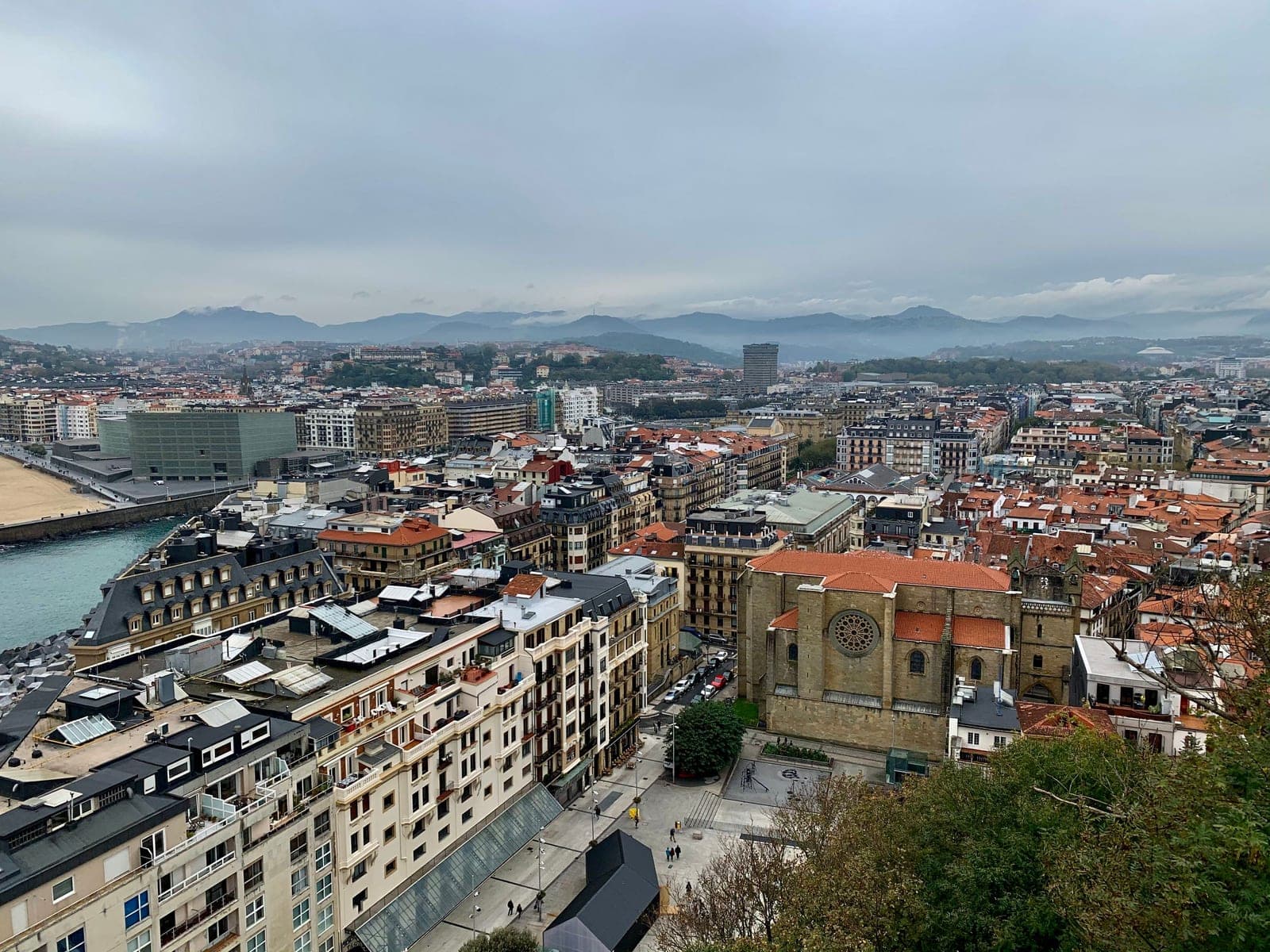
Aerial view of San Sebastián, Spain with overcast skies and visible mountains.Aerial view of San Sebastián, Spain with overcast skies and visible mountains. — Egor Kunovsky — Pexels

San Sebastián is built on a human scale. The local tourism authority notes the city is designed to be travelled on foot, structured around short walking distances, flat promenades along the river, and extensive pedestrianised districts. Staying in a flat urban neighbourhood like Amara lets you exploit that pedestrian footprint directly. You step outside and walk straight across town without negotiating steep topography or isolated headland roads.

When walking across town is not practical, urban bus connections cover the gaps. City bus routes are operated throughout San Sebastián by Dbus, linking major municipal districts together on regular schedules. Relying on local buses or pedestrian streets creates a straightforward daily routine down in the city centre. On Monte Igeldo, by contrast, the elevation creates friction: footpaths down the headland demand a prolonged physical descent, making motorized transport necessary for ordinary daily access.

Taxi operations introduce another strict operational rule to factor into your base selection. Taxis in San Sebastián do not stop when hailed in the street. To secure a ride, you must either walk to an official marked taxi rank or arrange a vehicle in advance by telephone. For travellers sleeping down in the urban core, walking to a designated rank takes minimal effort. For anyone staying high on the cliffs of Monte Igeldo, the absence of street hailing means you cannot simply flag down a passing car when leaving your accommodation. Every single motorized journey back up or down the hill requires deliberate advance telephone booking or a walk to a rank.

Driving, Parking, and Low-Emission Zone Restrictions

Arriving by car introduces strict municipal regulations that shape which base makes logistical sense. San Sebastián operates a Low-Emission Zone across its central core, enforcing vehicle entry restrictions and requiring all foreign-registered vehicles to obtain official permits before driving into the centre. Drivers entering the city are formally advised to leave vehicles at designated facilities such as the Illunbe park-and-ride facility and continue into central areas via public transport or on foot.

The city offers over 6,000 parking spaces. Certain peripheral facilities offer practical driver support; for example, the Txofre car park provides loan services for bicycles and umbrellas, alongside tyre air pumps and jump-start assistance for flat vehicle batteries.

Driving logistics differ sharply between the two bases. Access to the airport from Irún and Hondarribia is via the N-638 road, connecting to the AP-1 and AP-8 motorways.

Property Comparison: Hilltop Hospitality vs Modern Amara Lodging

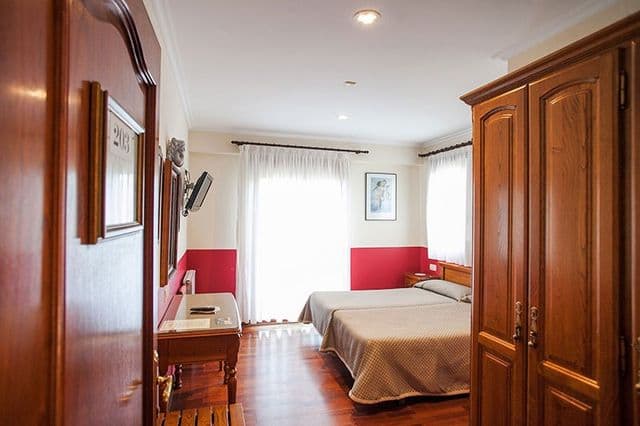
The accommodation landscape reflects the contrasting character of the two districts. Mercure San Sebastián Monte Igueldo is located on a hilltop near Monte Igueldo and has 123 rooms in total. The property features free on-site parking including dedicated accessible parking bays, solving vehicle storage on the hill. Check-in starts at 14:00, and check-out is by 12:00. Pets are strictly prohibited across the premises, though registered service animals are permitted without additional charge.

In Amara, lodging options cater directly to business travellers, transit-focused tourists, and extended visitors. Hotel Silken Amara Plaza occupies a prominent location at Plaza Pío XII, 7, located 10.17 miles from San Sebastián airport. The hotel maintains an early check-in window starting at 05:30 and running until midnight, though pets are not allowed on the property.

Your accommodation choice hinges on whether you want your hotel to serve as a scenic destination or a functional launching pad. Headland properties offer quiet evenings and open horizons at the expense of dining variety outside hotel walls. Amara properties offer practical check-in arrangements, swift airport transit, and direct access to neighbourhood bakeries and cafes right outside your lobby.

Summit Leisure vs Everyday Neighbourhood Amenities

Choosing between the headland summit and an urban residential district comes down to what you expect outside the front door each morning. Monte Igeldo concentrates its amenities around a self-contained visitor complex. At the top of the hill, served directly by the funicular, the site features an amusement park with 20 vintage-style attractions, panoramic terraces overlooking the water, a hotel, and a gastropub. During operational hours, the summit functions as a dedicated lookout and leisure point where visitors and local families gather to take in the broad views across the bay.

Once daylight fades and visitors depart, however, that hilltop infrastructure defines the outer boundaries of your immediate environment. You trade commercial variety for open elevation. There are no high-street supermarkets or competing rows of pintxo bars along the clifftop lanes; evening meals and drinks remain tethered to the hilltop hotel, the gastropub, or a planned trip down into the urban centre. For travellers who value quiet evenings above the sea and treat their room as an end-of-day retreat, this seclusion is precisely what makes the hill compelling.

Daily logistics follow an entirely different rhythm down on the valley floor. Amara operates as a working residential district where daily routines unfold on flat streets rather than around a seasonal vantage point. Stepping out into the neighbourhood puts you within easy reach of morning bakeries, local grocery stores, pharmacies, and casual cafes without transport planning. You never need to coordinate funicular operating hours, arrange taxis, or navigate steep switchbacks simply to purchase bottled water or catch an early train. If your travel style favours spontaneous evening strolls, doorstep dining variety, and fast connections, Amara provides functional convenience that a remote summit retreat cannot replicate.
For the broader base choice, compare the San Sebastián hotel-area guide.

Hotel-base implications

What the base choice changes

01
Monte Igeldo

Casa Rural Luarri

Positions guests directly on the Camino de Santiago trail 500 metres from the summit attractions, offering quiet rural lodging with mountain and city views.

Best for
Hikers and travellers wanting peaceful countryside surroundings on the headland.
Trade-off
Requires walking or car transport to reach the funicular and city centre.
Checked 1 Sept 2026Sources12
02
Monte Igeldo

Hotel Leku Eder

Provides a quiet hillside base on Cristóbal Balenziaga street connected to central Plaza de Gipuzkoa via Dbus line 16 running every 30 minutes.

Best for
Travellers wanting headland serenity with direct scheduled bus transit into town.
Trade-off
Requires adult booking (minimum age 18) and adherence to 30-minute bus timetables.
Checked 2 Sept 2026Sources12
03

Offers a 4-star cinema-themed base on Sancho El Sabio with 15% discounts on stays of three nights or longer, giving flat pedestrian access to central sights.

Best for
City explorers and longer-stay visitors seeking modern comfort and transit ease.
Trade-off
Lacks coastal views and sits within a busy urban street grid.
Checked 30 Aug 2026Sources12
Base Comparison: Monte Igeldo vs Amara — Key operational distinctions between staying on the clifftop headland versus the southern urban transport corridor.
OptionBest forWhy choose itTrade-offAccess
Monte Igeldo ClifftopCouples and families wanting secluded coastal panoramas and vintage amusement park visits.Provides 181-metre high views over La Concha bay and peaceful evenings away from city crowds.Isolated from central nightlife; downhill transit requires funicular coordination, taxi calls, or road driving.1912 funicular railway, Dbus line 16, or private car via hillside road.Checked 2 Sept 2026Sources12
Amara Urban Transit HubActive explorers taking regional train trips or travellers arriving with private vehicles.Provides flat walking routes to central sights and immediate connections to regional motorways.Inland residential aesthetic with no direct sea views.Direct road links to AP-8 and AP-1, frequent urban Dbus lines, and level walking avenues.Checked 30 Aug 2026Sources12
The decision
You want quiet panoramic sea views and do not mind funicular or taxi schedulesMonte Igeldo — accept the physical isolation and limited evening dining options.
You plan frequent regional day trips by car or train and want flat walking into townAmara — trade clifftop scenery for transit efficiency and local neighbourhood amenities.
You travel with luggage and want to avoid steep switchbacks or stair climbsAmara — enjoy level river promenades and straightforward hotel drop-offs.
You are walking the Camino de Santiago or want direct access to vintage fairground ridesMonte Igeldo — stay near the summit trails and open coastal headlands.
Direct answers

Frequently asked questions

What driver emergency assistance is available at San Sebastián car parks?

Txofre car park offers specialised motorist services including battery jump-start assistance and tyre air pumps, alongside complimentary loan services for umbrellas and bicycles.

Which major motorways link San Sebastián Airport to the city?

San Sebastián Airport is accessed from Irún and Hondarribia via the N-638 road, connecting motorists directly to the AP-1 and AP-8 motorways.

Does the Camino de Santiago pilgrimage route pass near Monte Igeldo hotels?

The Camino de Santiago trail passes directly along the Monte Igeldo headland, situated approximately 500 metres from the summit amusement park.

Check availability — Hotel Leku EderSearch all San Sebastián hotels →