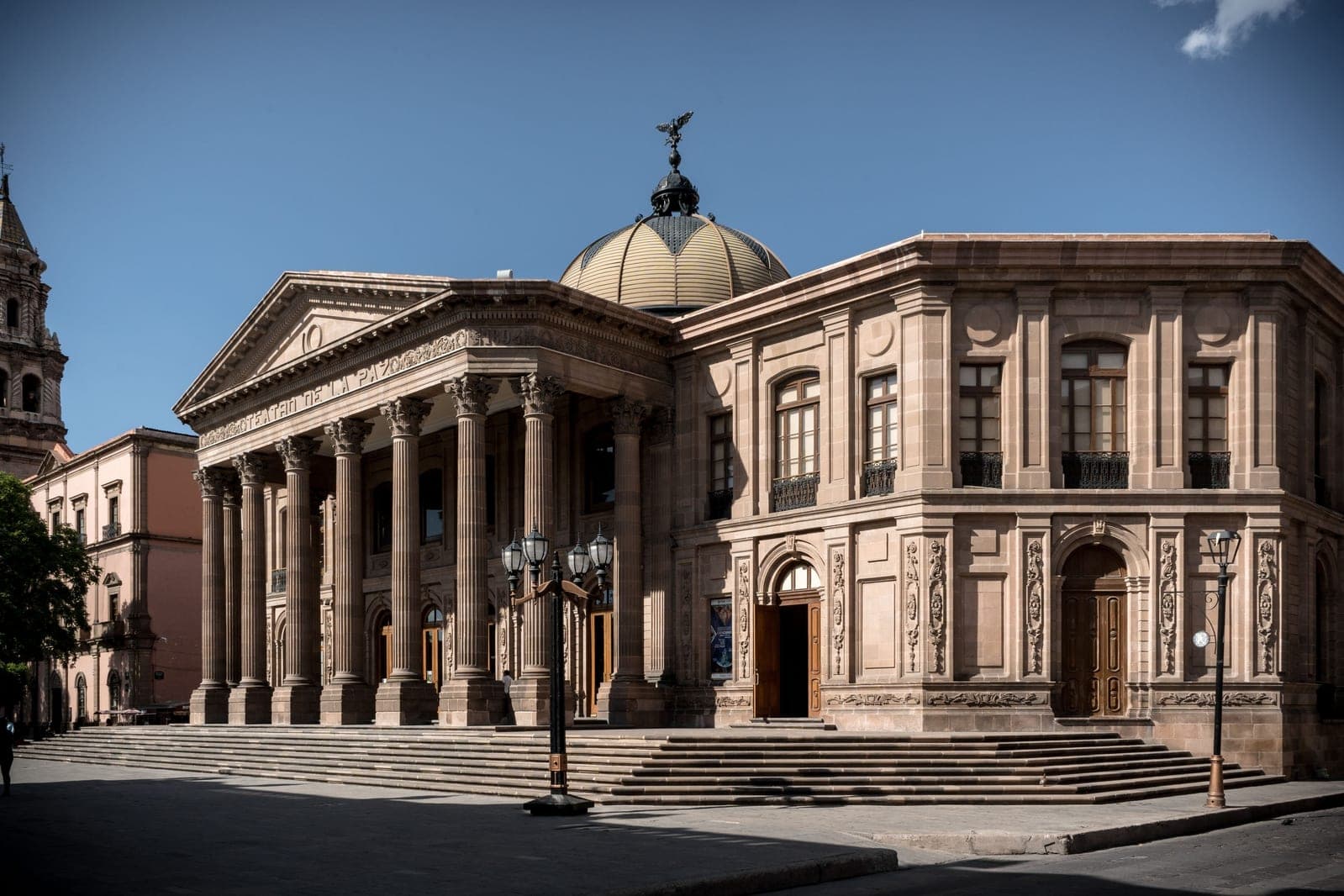
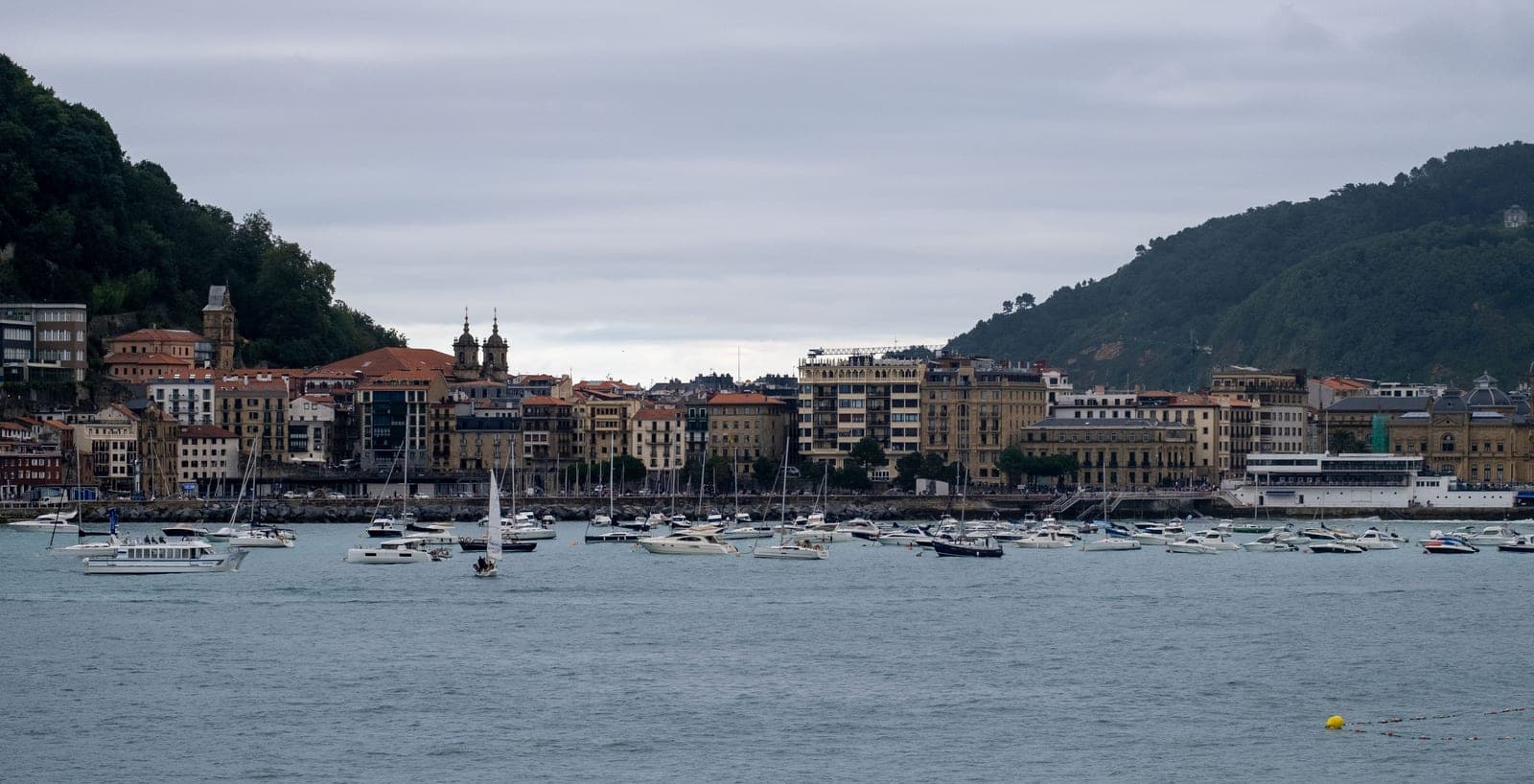
The architecture dictates the physical tax. Evaluating San Sebastián hotel-area guide as a base requires understanding its violent structural reset. Allied forces pillaged and burned down the original settlement on 31 August 1813 during the Napoleonic Wars. These buildings were erected for a pedestrian era. Ground floors hosted commercial spaces or grand entry halls, pushing domestic living quarters to the upper levels.
When Queen Maria Cristina of Austria selected the destination as her summer residence in the late nineteenth century, her arrival sparked a massive belle-époque expansion. Builders constructed imposing, high-ceilinged structures that now house the city's hospitality sector. Today, the core accommodation supply spreads across distinct neighborhoods, including Centro – La Concha, Gros, Egia, Parte Vieja, Antiguo, Ibaeta – Igara, Igueldo, Amara, and Aiete Miramón.
Traditional pensions inhabit the middle and upper residential floors of these heritage buildings. Standard travel portals list these guesthouses with modern amenity checkboxes without specifying how a guest physically reaches the front desk. Generic booking platforms frequently fail to clarify whether a retrofitted elevator starts directly at street level or waits at the top of an initial flight of entrance stairs. This architectural blind spot means a listing advertising a lift might still require hauling a suitcase up a steep marble staircase just to reach the elevator doors. You are not booking a purpose-built hotel. You are renting a historic domestic footprint. Expect friction.