Parte Vieja vs Centro San Sebastián: Nightlife vs Sleep
Doorstep pintxos, a calmer Centro room or a La Concha promenade stay.
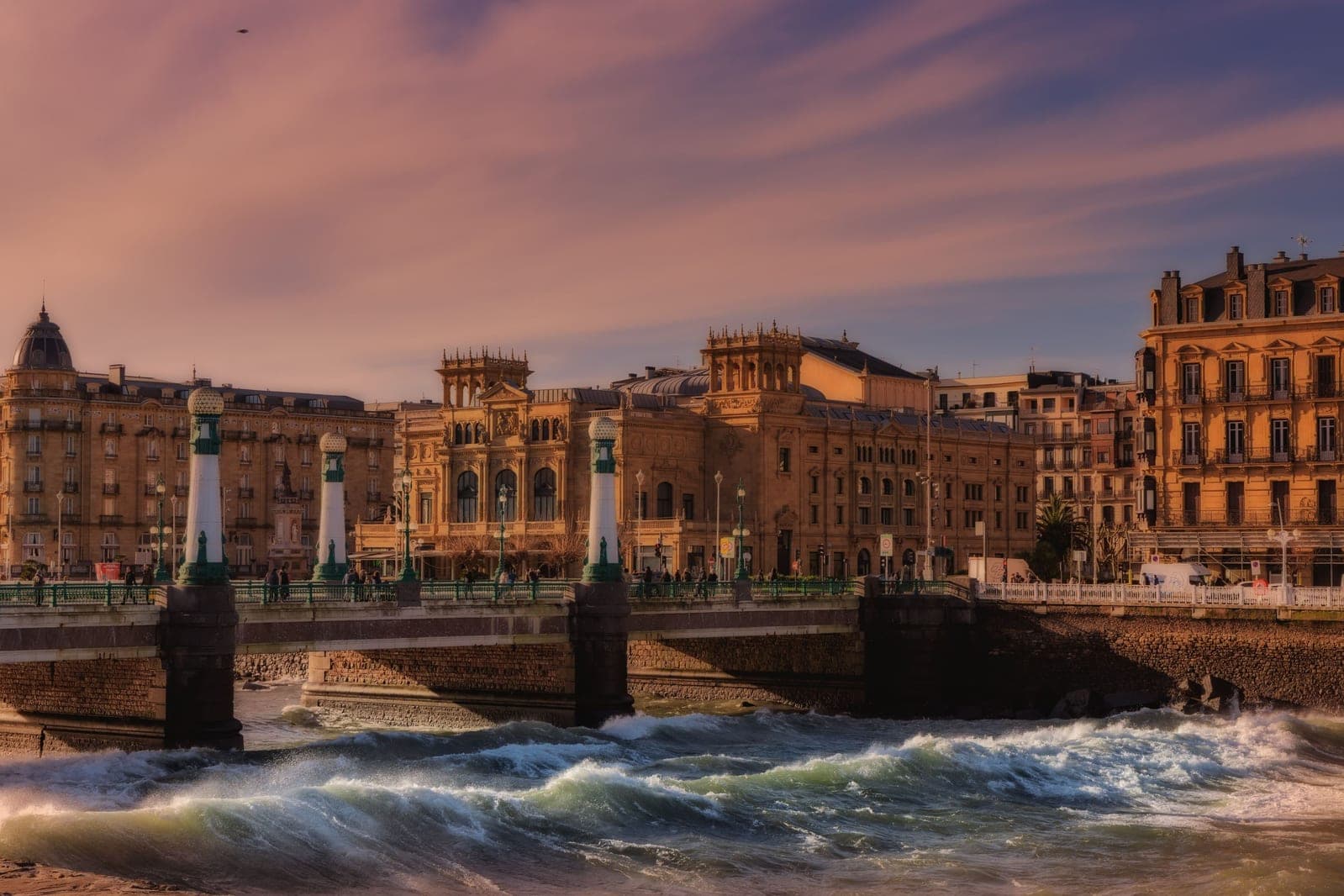 Charming view of a bridge and historic architecture in San Sebastián during sunset.
| Option | Best for | Why choose it | Trade-off | Access |
|---|---|---|---|---|
| Parte Viejaneighborhood | Immediate culinary access and medieval atmosphere | You want to step directly from your accommodation into a dense network of pintxo bars. | Narrow alleys trap late-night noise, and historic buildings frequently lack elevators and air conditioning. | Pedestrian-only; requires dragging luggage from boundary drop-offs.As of 2026Checked 1 Jan 2026Sources1 |
| Centroneighborhood | More separation from late-night Old Town activity and broader modern hotel choice | You prefer wider boulevards, larger rooms, and reliable air conditioning. | Requires a short walk to reach the main Old Town dining thoroughfares. | Low-emission vehicle zone with better proximity to underground municipal garages.As of 2026Checked 1 Jan 2026Sources1 |
Book the Old Town if your priority is stepping directly from your accommodation into a dense network of pintxo bars. Shift south into Centro if you value air conditioning, larger rooms, and quiet streets after midnight.
Micro-Location Dynamics: Parte Vieja Pintxo Alleys vs Centro Boulevards
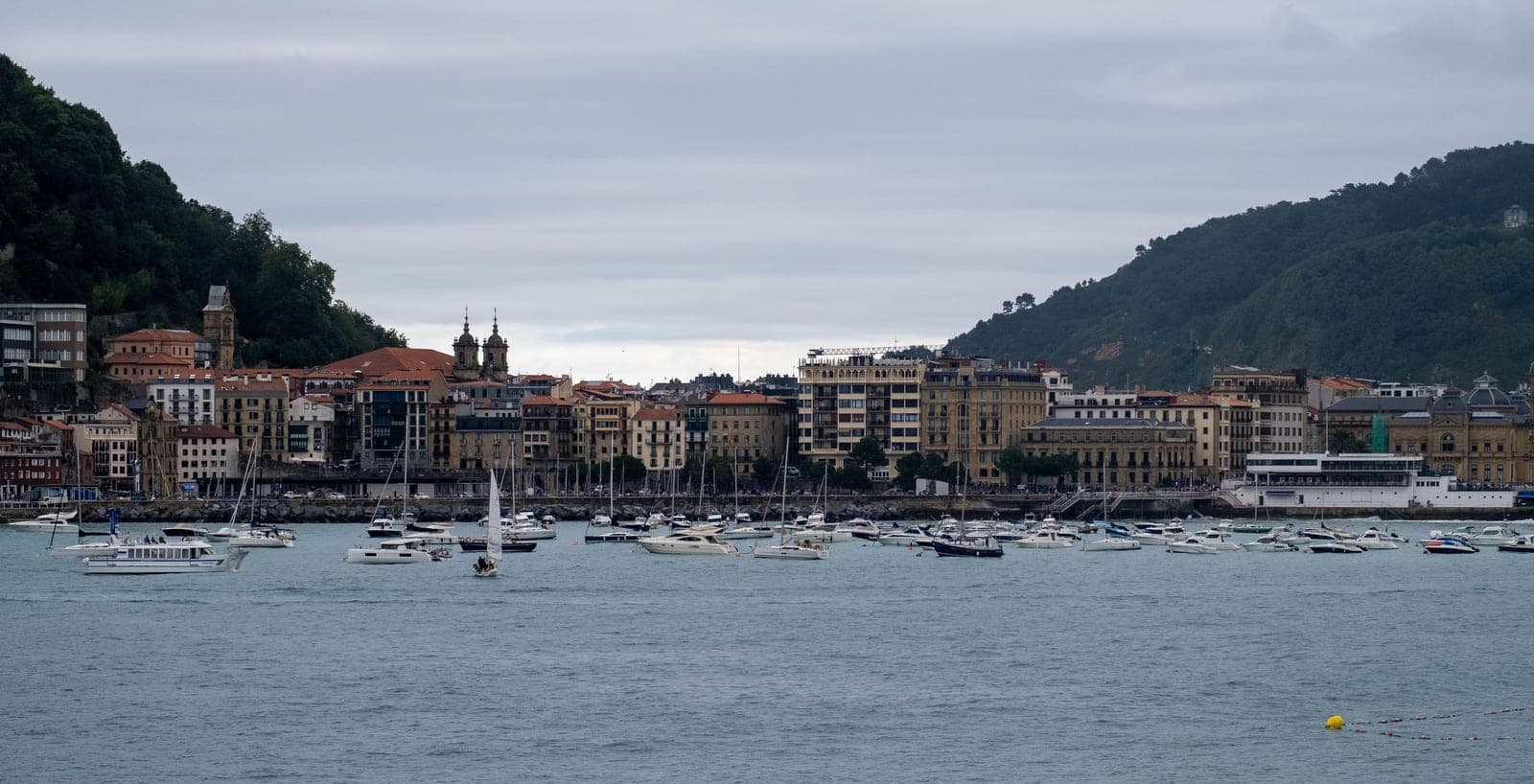
Parte Vieja occupies the dense historic grid at the foot of Mount Urgull, wedged firmly between the Urumea River and the city's port. It operates as a strictly pedestrian-only zone with intersecting historic streets. This creates a highly concentrated culinary environment where dinner sits right outside your door. Ninety-nine pintxo bars are packed into just 1.5 kilometres of cobbled streets. You step out of your accommodation and immediately join the evening dining crowd. The sheer density of venues means that walking from one end of the Old Town to the other takes minutes, yet navigating the evening crowds can slow progress significantly.
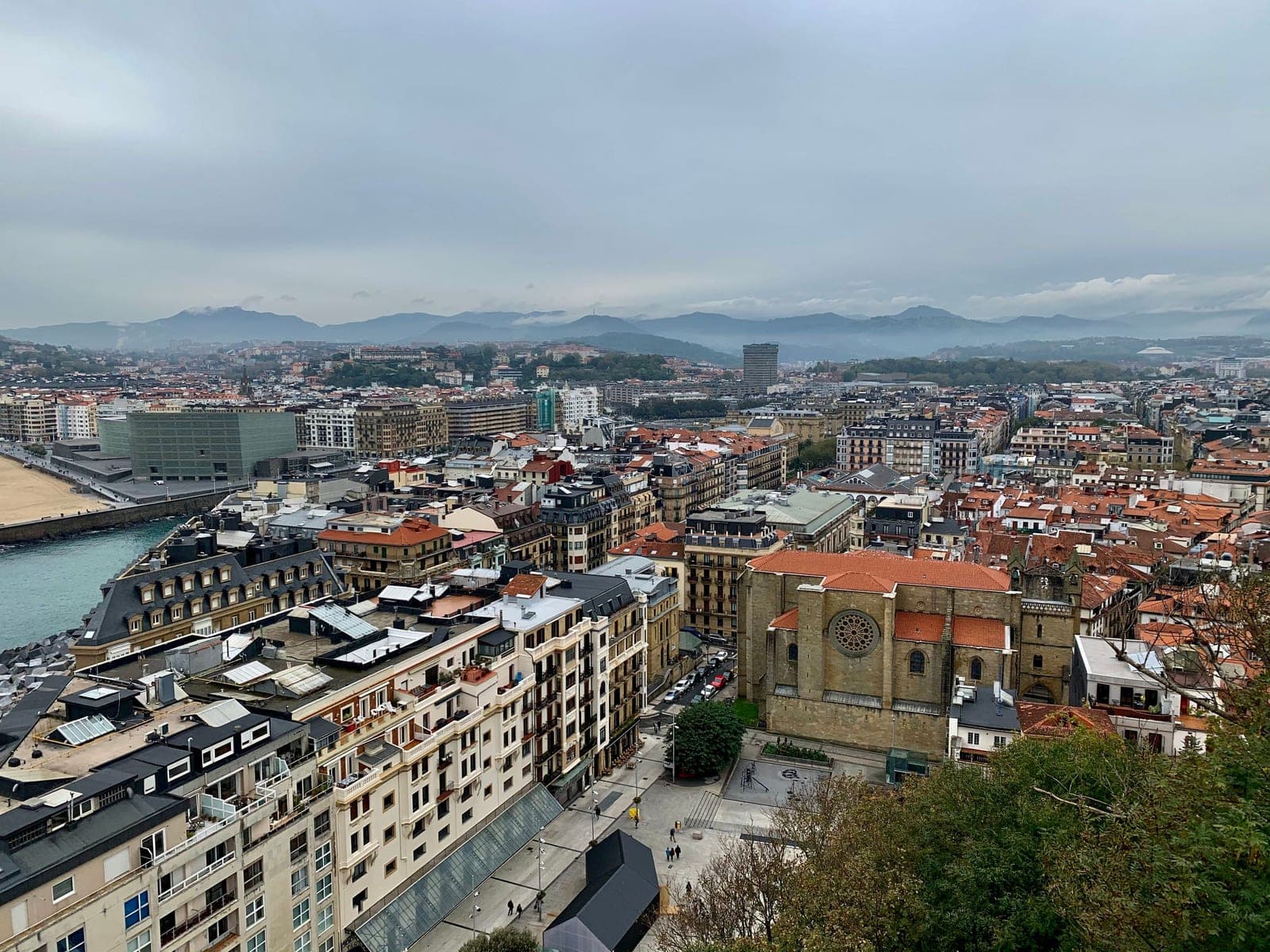
Centro, designated as the Romantic Area, starts just south of the Old Town. It was constructed after the demolition of the medieval city walls and follows a spacious French-style Belle Époque architectural plan. The streets here are wide boulevards rather than narrow canyons. It also borders the wide sandy shoreline of La Concha Beach, providing clear views of the coastal mountains and Santa Clara Island.
The physical distance between these two contrasting zones is negligible. Barely one kilometre separates the Basilica of Santa María del Coro in Parte Vieja from the Cathedral of the Buen Pastor in Centro as the crow flies. You can secure a room in Centro's wide avenues and still walk to the Old Town's dense pintxo streets in under ten minutes. You do not need to endure the physical constraints of an Old Town building to easily access the best of choosing a base in San Sebastián. The decision ultimately rests on how close you need to be to the culinary action. Choosing Parte Vieja means prioritising immediate access over physical space. Choosing Centro means walking a few extra minutes to secure a quieter, wider neighbourhood.
Late-Night Acoustics and Sleep Quality: Street Echo and Building Limits
The narrow stone alleys of Parte Vieja act as acoustic amplifiers. They send every conversation and clinking glass straight up to the first- and second-floor balconies.
Air conditioning is rare across historic properties in the city. During the peak summer booking months of July and August, this forces a difficult choice. You must either open a window to the echoing street noise or sleep in a hot, stifling room. Hotel guest rooms in Parte Vieja are also generally smaller than modern city hotel standards. Many historic buildings in the Old Town lack elevators entirely. Guests must carry luggage up steep staircases.
If you insist on staying inside Parte Vieja, micro-location matters immensely. Streets branching off Calle Iñigo and Calle Embeltrán provide a slightly quieter environment. They shield you from the primary foot traffic while keeping the dining venues within a two-minute walk. Still, light sleepers should avoid exterior-facing rooms in the centre of the Old Town. The acoustic tax is the primary drawback of the quarter. Requesting an interior courtyard room is the most effective way to secure rest while staying deep in the pintxo scene.
Old Town Hotel Selection: Soundproofing, Courtyards, and Port Perimeters
To secure a room in Parte Vieja without the acoustic penalty, look to the district's outer edges. The port boundary acts as a natural buffer against the narrow interior alleys. Lasala Plaza Hotel sits exactly on this boundary at Plaza Lasala 2. It operates as a four-star, adults-only boutique property featuring a rooftop pool with views over the Bay of Biscay and La Concha beach.
The property uses double glazing and specific acoustic materials to soundproof its rooms. It counters the typical Old Town limitations by offering modern amenities, including Nespresso coffee makers, 300-thread-count sheets, electric kettles, and Japanese WCs. The rooms are equipped with King-Size or Twin beds and 55-inch televisions.
The quarter also holds several guesthouses for travellers wanting immediate Old Town access on a lower budget. Pension Ab Domini provides six guest rooms in the historical centre. Pension Iturriza operates as a two-star guesthouse within the quarter. Aldamar, another two-star guesthouse near the San Telmo Art Museum, offers twelve rooms and sits near public parking facilities. Hotel Atari provides 28 rooms with an à la carte restaurant and lounge bar. Hotel Sansebay offers a three-star smoke-free environment featuring air-conditioned rooms overlooking the city near San Vicente Gothic Church.
Artea Narrika serves as a mid-tier pension option. Its Superior Double rooms feature a bathroom and balcony.
Centro Bases: Improving the Odds of a Quieter Night
Shifting just south of Alameda del Boulevard into Centro trades doorstep pintxo access for fundamental hotel comforts. Legazpi Doce Rooms & Suites demonstrates this architectural shift. Located in Centro, its exterior double rooms on the second floor feature balconies overlooking Plaza Gipuzkoa rather than dense, echoing alleys.
Choose by your priorities
Frequently asked questions
Should a light sleeper stay in Parte Vieja or Centro?
Centro gives better separation from the densest pintxo streets. If you stay in Parte Vieja, favour the port edge or an interior-facing room and still expect some city activity.
Which option keeps dinner closest without staying in a bar alley?
Lasala Plaza sits on the port boundary beside Parte Vieja, making it the strongest compromise between Old Town access and distance from the tightest nightlife streets.
Which option is best for La Concha?
Hotel de Londres is the promenade choice. Book it when the bay frontage will improve the stay enough to justify a longer walk to the main Old Town dining streets.