Best central value
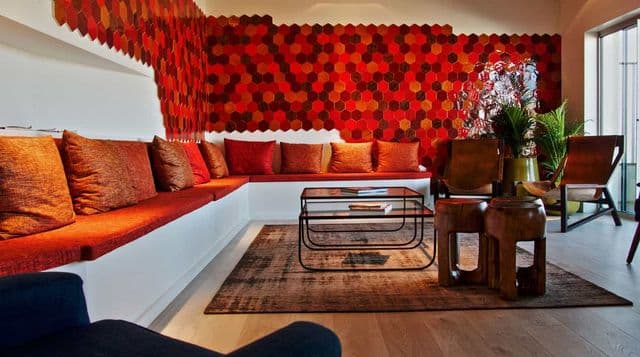
Hotel Spot Family Suites
€€ · Mid-rangeFamilies and groups who want a central base with suites and lift-served metros at the door.
Use Porto’s upper, gentler corridors and transport links to reduce—but not eliminate—hill friction.
Folio earns a commission if you book through these links, at no extra cost to you. How we earn from links
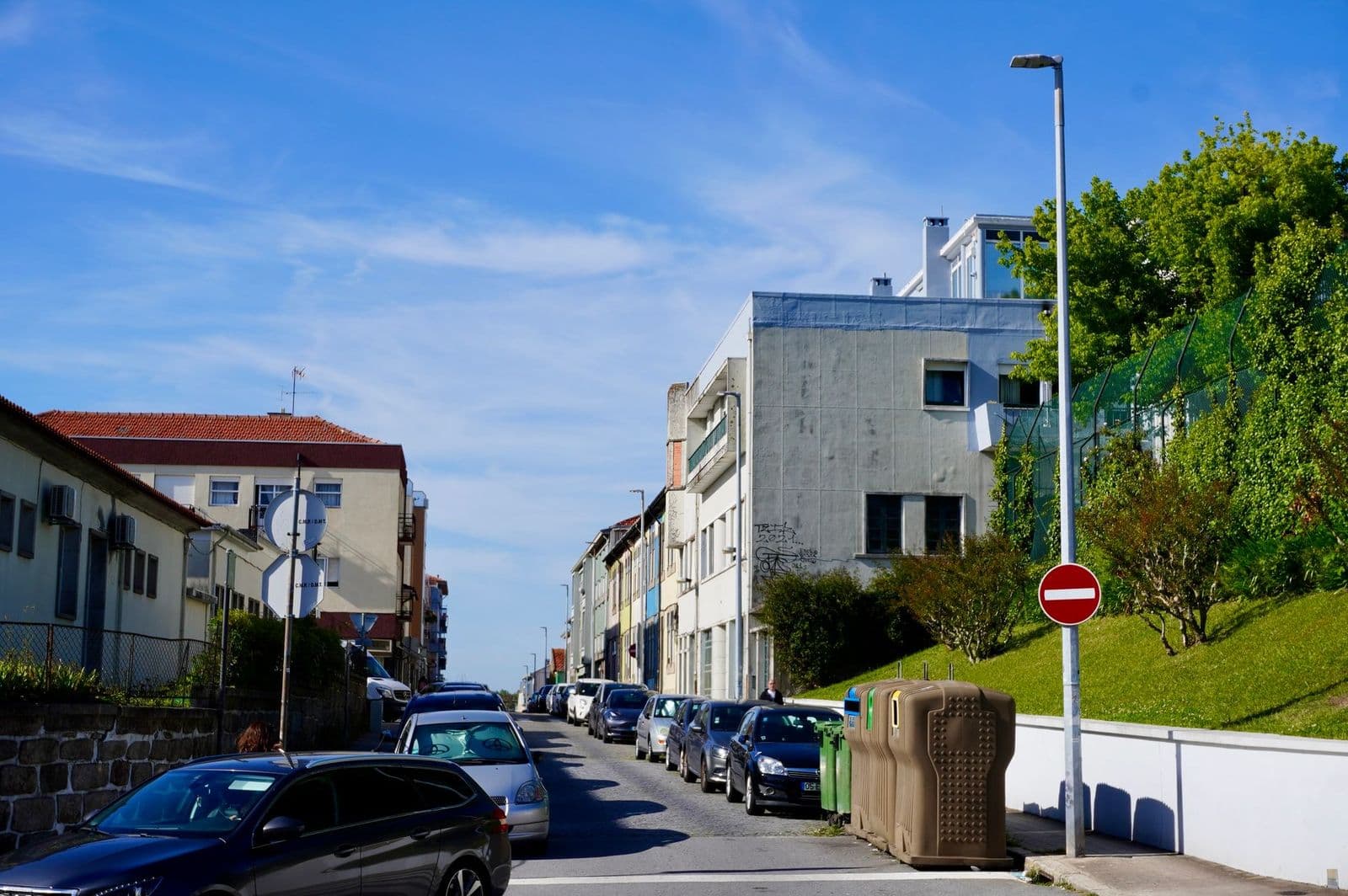 Street view of residential buildings and parked cars in Porto, Portugal on a sunny day.
Families and groups who want a central base with suites and lift-served metros at the door.
Travellers who want a full-facility hotel on level ground close to the market.
Travellers who value wide, flat pavements and a short, step-free metro ride into the centre.
A beach-and-riverside stay where the promenade, not the old town, is the daily setting.
Porto is built across steep river bluffs that rise more than 100 vertical metres from the Douro waterfront to the upper city. For travellers managing mobility constraints, pushing a stroller, or simply avoiding repeated climbs, the elevation of your base decides how tiring each day feels. The city's gentler ground sits on its upper plateaus: the Trindade–Bolhão ridge above the historic centre, the wide Boavista plateau to the west, and the level seafront at Foz. Staying on those corridors keeps walking straightforward and puts step-free metro lifts within a few minutes, while the Ribeira riverfront — beautiful, but at the bottom of the hill — works best as a day trip down the slope rather than a base. Our Porto accommodation guide maps the wider shortlist; this page focuses on terrain.
| Option | Best for | Why choose it | Trade-off | Access |
|---|---|---|---|---|
| Upper Baixa / Trindade ridgeElevated central ridge | First visits that want Bolhão, Aliados and São Bento on foot without hill climbs. | Upper streets around Trindade and Rua de Santa Catarina run at a gentle grade, and Trindade station joins six metro lines with lift access to the street. | Ribeira is downhill and easy to reach, but the return is a 100-metre-plus climb, so plan on the metro or a taxi rather than walking back up. | Trindade and Bolhão stations both have lift access; the upper Baixa pavements are wide and largely level.As of Checked 20 September 2026Checked 1 Sept 2026Sources12 |
| Boavista / Casa da Música plateauFlat western plateau | Travellers who want wide, level pavements and the simplest approach by car. | Avenida da Boavista and the streets around Casa da Música are genuinely flat, with step-free metro access and generous pavements. | Detached from the medieval alleys; São Bento and the historic centre need a short metro hop. | Casa da Música has step-free street ramps and underground lifts.As of Checked 20 September 2026Checked 1 Sept 2026Sources12 |
| Foz seafront (western Douro mouth)Level oceanfront | A beach-and-riverside base where every morning starts on flat ground. | The Foz promenade and the river mouth are level, and the historic tram runs a flat route back toward the centre. | Well west of the sights, so much of the city is reached by tram or bus rather than on foot. | Level promenade paving with tram stops along the front.As of Checked 20 September 2026Checked 1 Sept 2026Sources1 |
How to move between Porto's transit hubs and its level hotel zones without taking steps.
Obstacles: Delivery scooters occasionally parked on side pavements
Assistance: Station staff during operating hours
Alternative: Taxi drop-off at the hotel door
Obstacles: Busy pedestrian shopping traffic
Assistance: Lift to street level
Alternative: Taxi stand on Rua Formosa
Obstacles: Traffic-light crossings around the roundabout
Assistance: Audible crossings and lowered kerbs
Alternative: Bus along Avenida da Boavista
Obstacles: Weekend promenade crowds
Assistance: Not required on the level front
Alternative: Taxi drop-off at the hotel entrance
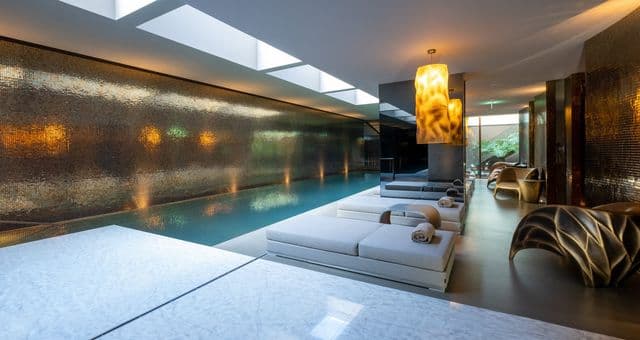
The Trindade–Bolhão ridge is the most central level zone. Hotel Spot Family Suites sits three minutes from Bolhão and three from Trindade, and is built around family suites (official site). BessaHotel Baixa is also three minutes from Bolhão and nine from Trindade, adding an indoor pool to its central address. Both keep the day's walking on gentle upper streets.
The lower end of the upper city, around Aliados and São Bento, is equally level and even more central. Vera Cruz Porto Downtown Hotel is two minutes from Aliados and six from Trindade; Hotel Pão de Açúcar is one minute from Aliados with lift access; and Moov Hotel, on Praça da Batalha, is six minutes from São Bento and keeps a dedicated reduced-mobility room. That cluster suits travellers who want the monuments, station and shopping within a flat few minutes.
Boavista trades centrality for space. Hotel Douro is seven minutes from Casa da Música and six from Agramonte. Hotel Vice Rei is nine minutes from Casa da Música and nine from Carolina Michaelis, and keeps its own parking. Hotel da Música sits inside the Mercado do Bom Sucesso food hall, seven minutes from the metro. Cars and taxis move easily here, which matters if you would rather not rely on the hill streets at all.
Where the ridge and Boavista differ is character rather than effort. The ridge keeps you inside the old city, with the market, the station and the monuments as short flat walks, at the cost of busier streets. The western plateau is quieter and greener, with wider pavements and easier parking, yet it is a modern district: the historic core is a metro stop away rather than outside the door. Choose the ridge for a first visit and the plateau for longer stays or a car-led trip.
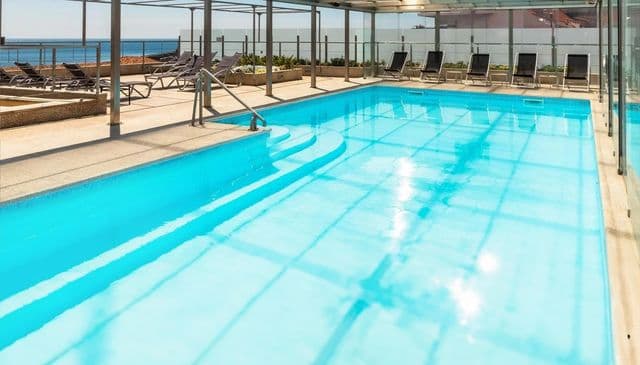
At Foz, Hotel Boa-Vista Porto stands between Praia do Ourigo and Praia dos Ingleses on a level oceanfront, with a rooftop terrace over the river mouth. It is the calmest, flattest footing in the city, and the furthest from the monuments.
If a riverfront address is non-negotiable, hotels such as Ribeira do Porto Hotel and Porto A.S. 1829 put you at water level. That is a deliberate trade: you wake beside the Douro, but every trip up into the city starts with a climb or a mechanical lift, so weigh how often you will make it.
Before booking anywhere in Porto, confirm three things: that the hotel has a lift to your floor, that the exact entrance is step-free from the street on the side you will arrive, and that any adapted room you need is available for your dates. A property a single street downhill from the ridge can turn each return into a climb, so ask for the door-to-door route rather than a district name.
The level zones hold plenty of hotels; what changes is how much climbing each one asks of you.
Three minutes from both Bolhão and Trindade, on the upper ridge where the streets run level to the shopping core.
Three minutes from Bolhão and nine from Trindade, pairing a level upper-Baixa address with an indoor pool.
Seven minutes from Casa da Música and six from Agramonte on the level Boavista plateau.
Between Praia do Ourigo (three minutes) and Praia dos Ingleses (eight minutes) on a level seafront.
Porto's historic riverfront is the one place the level strategy breaks down. The Guindais funicular links Ribeira to the upper city near Batalha; Metro Line D crosses the Douro on the upper deck of the Luís I Bridge from São Bento; and taxis are inexpensive for the return climb. If you stay up on a plateau, treat Ribeira as a half-day you travel to rather than a walk you casually repeat. Drivers should also check the city's parking zones before committing a car to a central address — our Porto parking guide sets out the garages and access rules.
Two mechanical options make the riverfront manageable from the upper city. The Guindais funicular climbs the old city wall between Ribeira and the Batalha end of the ridge, and Metro Line D crosses the upper deck of the Luís I Bridge from São Bento to Jardim do Morro in Gaia. Taxis and ride-hailing are cheap for the return, and the historic tram runs a flat route along the river out to Foz if you base there.
No — but it is not level. The upper plateaus and the Foz seafront walk easily; the riverfront and the lanes between the two levels are steep, so a level base removes most of the effort.
Boavista, around Casa da Música, is the flattest large zone. The upper-Baixa ridge and the Foz promenade are the next gentlest, and both stay within a short walk of metro lifts.
Use the Guindais funicular, take Metro Line D across the upper bridge deck from São Bento, or take a taxi; the return climb is the part most visitors underestimate.
Yes — Trindade, Bolhão and Casa da Música are all lift-served, so the step-free network reaches the level hotel zones directly.
Yes, when it sits on the upper ridge. Central-and-level is realistic around Trindade and Bolhão; central-and-riverside is where the climbing returns.
Yes, with a short metro ride to São Bento or Aliados. Boavista is level but detached from the medieval core, so sightseeing begins with a quick transfer.